Stamped & Decorative Concrete
Beautiful stamped and decorative concrete solutions that enhance your property in Mansfield, OH.
The Beauty of Decorative Concrete
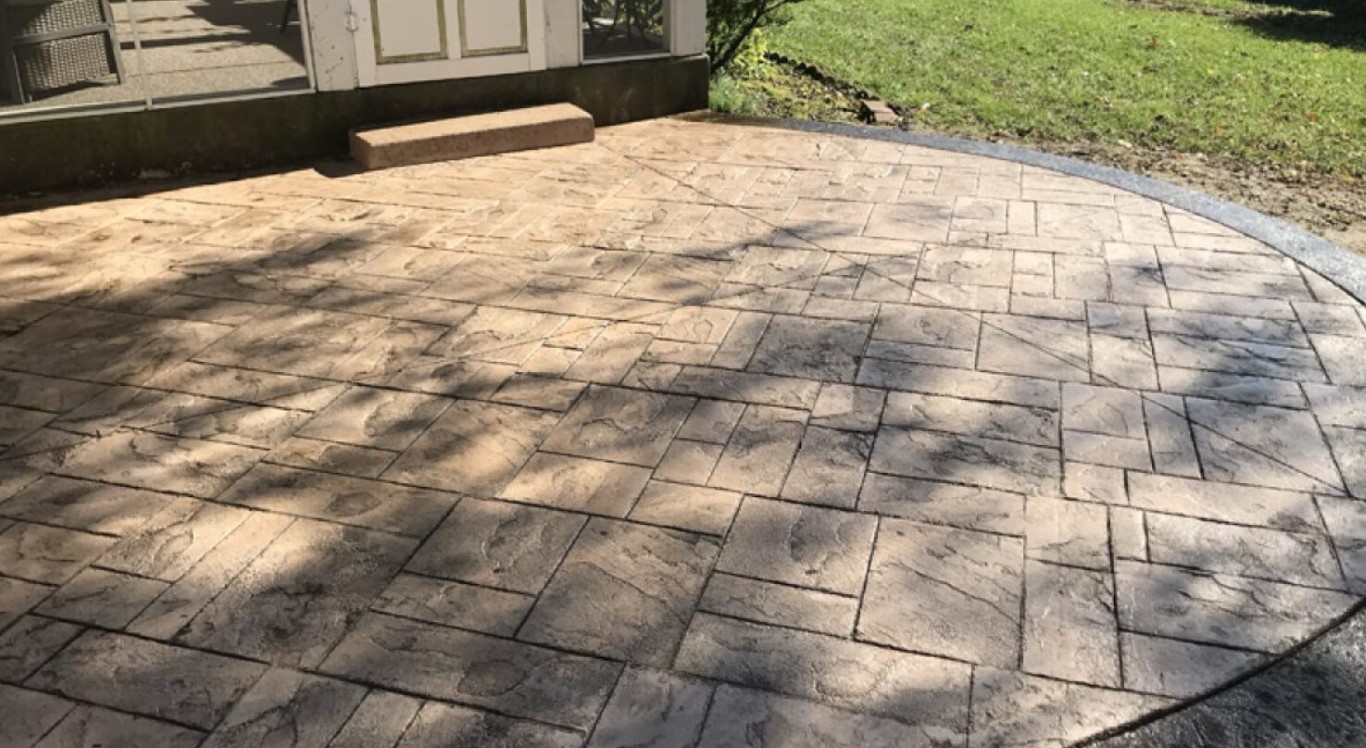
Decorative concrete gives you the high-end look of natural stone, brick, or tile without the high-end price. Stamped concrete can mimic almost any material you can imagine. Slate, flagstone, cobblestone, wood plank, and tile patterns are all possible. You get a beautiful surface that looks expensive but costs much less than the real thing.
Beyond stamping, we offer other decorative options. Exposed aggregate reveals the natural beauty of the stone in the concrete mix. Colored concrete lets you match your home or create a custom look. We can combine these techniques to create truly unique surfaces for your patio, driveway, or walkways.
The best part is that decorative concrete keeps all the benefits of regular concrete. It is durable, low-maintenance, and long-lasting. You get beauty and function in one package. Your decorative concrete will look great for decades with simple care.
Popular Stamped Concrete Patterns
Choosing the right pattern is an important decision. The pattern affects the overall look and feel of your space. Some patterns work better for certain applications. Stone patterns suit patios and walkways well. Brick patterns look natural for driveways and courtyards. Wood plank patterns create a warm, rustic feel.
We keep a variety of stamps on hand so you can see exactly what the finished pattern will look like. Some customers prefer regular, repeating patterns. Others want a more random, natural appearance. Both options are available, and we can show you examples of each to help you decide.
Popular Pattern Choices:
- •Ashlar slate - elegant rectangular stone pattern perfect for patios and entryways
- •Cobblestone - classic European look ideal for driveways and courtyards
- •Flagstone - natural irregular stone appearance for a rustic outdoor feel
- •Wood plank - realistic wood grain texture without the maintenance of real wood
- •Running bond brick - traditional brick pattern that never goes out of style
- •Fan pattern - decorative semicircle design for entrances and focal points
- •Random stone - irregular natural stone look for maximum visual interest
Color plays a big role too. We can tint the concrete itself and add surface color for depth and realism. Earth tones like tan, brown, and gray work well for stone patterns. Reddish tones suit brick designs. Multiple colors can be blended to create a more natural appearance. We will help you select colors that complement your home and landscape.
The Stamping Process
Creating stamped concrete requires timing, skill, and the right tools. The process starts like any concrete project with site prep, forming, and pouring. Once we pour the concrete, we work quickly because stamping must happen while the concrete is still soft enough to take an impression.
First, we apply a color hardener to the surface. This adds color and increases durability. Then we apply a release agent that prevents the stamps from sticking to the concrete. The release agent also adds secondary color that enhances the pattern detail.
Next comes the actual stamping. We press the stamp mats into the concrete to create the pattern. This takes experience because each impression must line up correctly with the previous one. The depth of impression affects how realistic the pattern looks. Too shallow and it lacks detail. Too deep and it can trap water or debris.
After stamping, we let the concrete cure. Then we clean the surface and apply a sealer. The sealer protects the color, enhances the appearance, and makes the surface easier to clean. It also helps prevent staining and wear. With proper sealing and maintenance, your stamped concrete will look great for many years.
Caring for Decorative Concrete
Decorative concrete needs a bit more care than plain concrete, but it is still easy to maintain. Regular sweeping and occasional washing keep it looking fresh. Use a mild detergent and a garden hose or pressure washer on a low setting. Avoid harsh chemicals that can damage the sealer.
Resealing is the most important maintenance task. A good sealer lasts 2 to 3 years depending on traffic and exposure. When the surface starts looking dull or water no longer beads up on it, it is time to reseal. This is a simple process that you can do yourself or hire us to handle.
Avoid using deicing salts on stamped concrete in winter. Salt can damage the surface and the sealer. Sand or kitty litter provides traction without causing harm. If you treat your decorative concrete well, it will reward you with beauty and durability. Need help with an existing decorative surface? We also handle concrete repairs and resealing services.
Frequently Asked Questions
Ready for Beautiful Decorative Concrete?
Call us today to discuss your decorative concrete project. We will show you samples, answer your questions, and provide a detailed estimate.
Call (567) 241-0534